
ISO 45001: When “Be Careful” Is No Longer Enough

Most organizations want their people to be safe. Posters may say “Safety First.” Workers may receive personal protective equipment. Fire extinguishers hang on walls. Safety instructions may even be included during induction. But …

The engagement, which is the first of its kind, brought together stakeholders from across the consumer protection ecosystem to discuss opportunities for collaboration and strengthen the collective effort toward protecting Nigerian consumers.
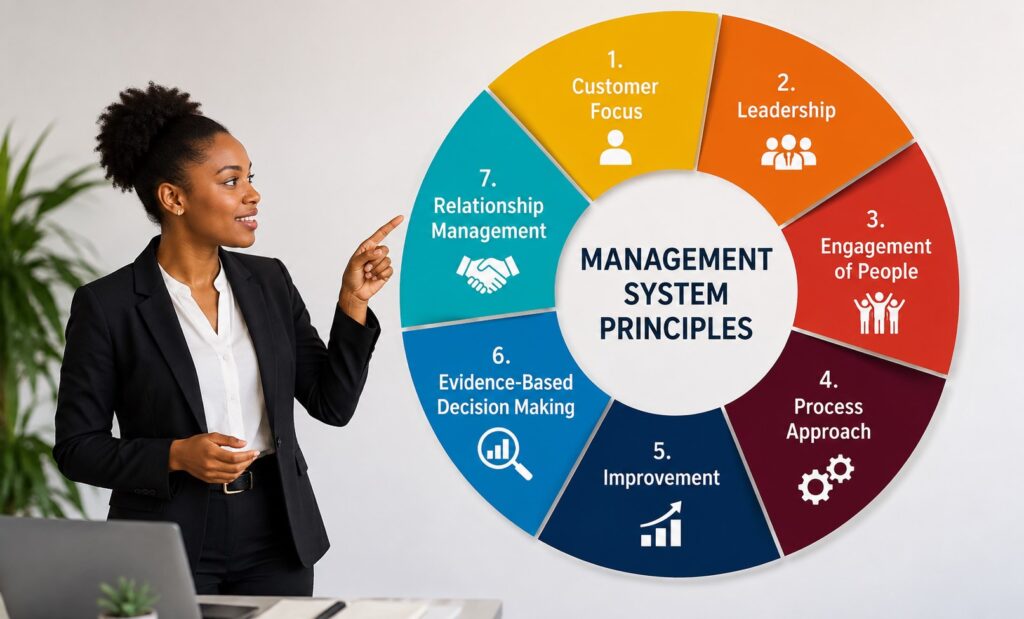
The seven principles of management systems are much more than requirements for certification. They are practical guides for building organizations that people trust, systems that perform, and cultures that endure.
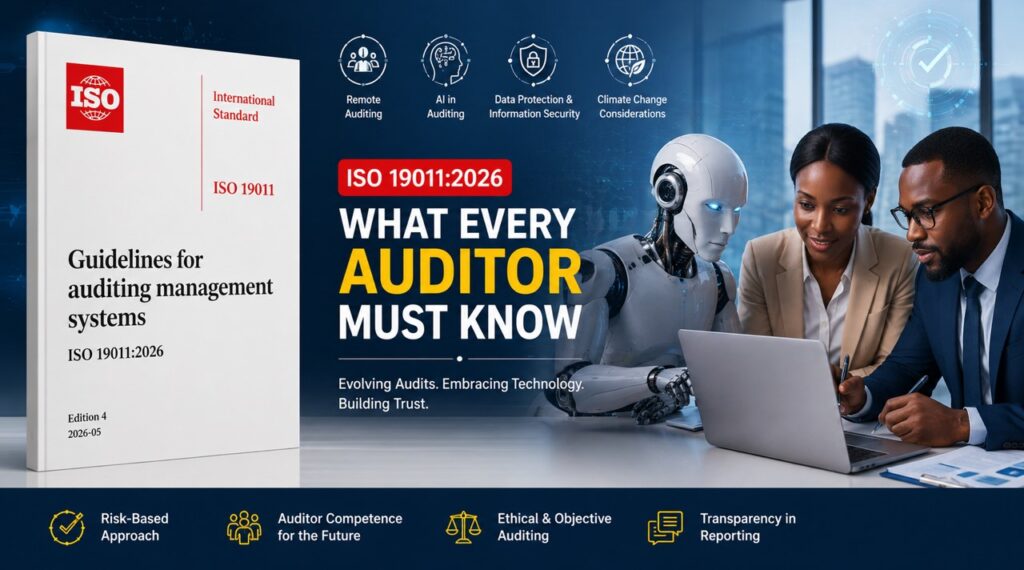
ISO 19011:2026 officially arrived on May 27, 2026, interestingly, on Children’s Day in Nigeria. Yet, for auditors and management system professionals, this is certainly no child’s play.

At its core, ISO 15189 introduces a mindset shift that every laboratory professional must embrace. In this framework, quality is not something to aspire to—it is expected. What truly distinguishes a laboratory is competence, and more importantly, the ability to demonstrate it.

At the Quality Improvement Institute of Nigeria (QIIN), our journey toward advancing a culture of quality improvement across Nigeria has been shaped by the dedication of individuals who have given their time, expertise, and passion to the cause.

When people hear the term ‘food safety’, the first images that often come to mind are clean kitchens, gloves, or properly packaged food. While these are important, they only scratch the surface of what food safety truly means in a structured and professional sense.

What began as a simple note of thanks to an organisation that sent three thoughtful delegates to the NQIS 2025 became a warm and reflective conversation on the shared importance of quality, leadership, and national development.

Internal audit is not about going to look for problems. It is about going to confirm what is working. It determines whether the QMS conforms to the organisation’s own requirements and the ISO standard, and whether it is effectively implemented and maintained.

Quality management, based on how often it is discussed, would be one of the most successful management disciplines in history. If judged by how it is practiced, many organizations would quietly admit something uncomfortable: “We are certified, but we are not transformed.”